Beauty Inclusivity and Why It Matters
In our diverse world, industries play a crucial role in shaping societal views, and the beauty industry is no exception. Unfortunately, it has historically struggled with inclusivity, often overlooking the wide spectrum of skin tones, hair textures, body types, disabilities, and cultural backgrounds. This oversight has sparked significant backlash and a demand for change. Inclusive beauty goes beyond simply providing a diverse selection of foundation shades (though that’s definitely a start!). It’s about acknowledging and celebrating the beauty in everyone, regardless of the physical attributes. It means ensuring that everyone can find products that suit their needs and can see themselves reflected in the beauty industry.
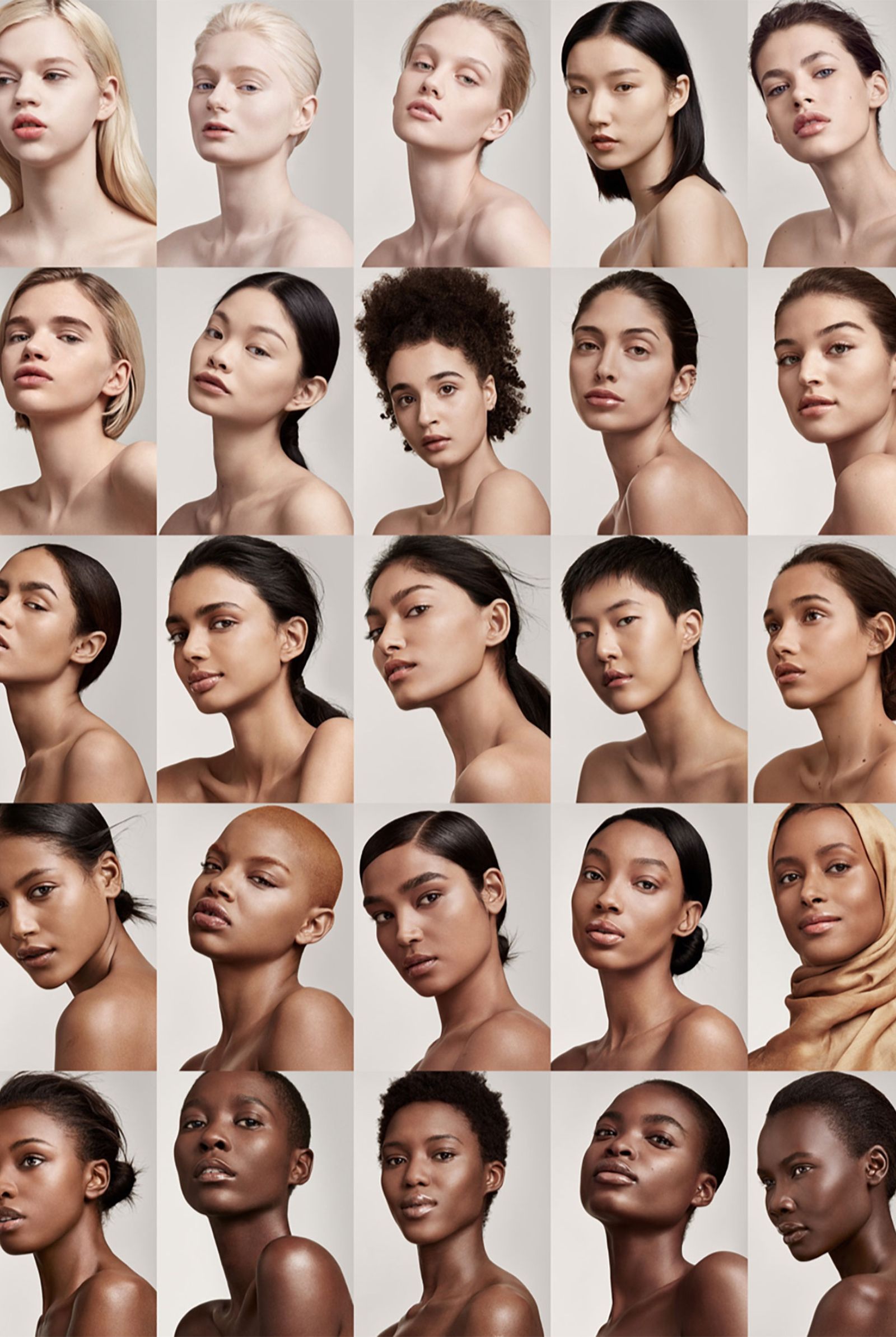
Photo Credit: Fenty Beauty Campaign
So why does inclusivity in the beauty community matter so much ? Let's break it down
Product Diversity
Inclusive beauty means offering products that address a wide array of needs. This includes everything from foundations that match all skin tones to hair care designed for various textures, ensuring that everyone can find what suits them best. It’s not just about color, though; brands should also consider different skin types, sensitivities, and unique conditions when creating their products. The ultimate goal is to make sure that everyone feels represented and included in the beauty industry as it is not a "one size fits all." Finding a product that feels curated to you individually is such an empowering feeling as it can be very challenging. I personally have struggled with finding products that are cohesive with my skin needs as I encounter dry patches, hyperpigmentation, and texture especially in the winter. It is refreshing to see several beauty brands that have made significant strides in promoting inclusivity within the industry.
A few examples include:
Rare Beauty, founded by Selena Gomez, is known for its strong commitment to inclusivity and accessibility. The brand aims to redefine standards of beauty by celebrating individuality and promoting self-expression.
Fenty Beauty, founded by Rihanna, changed the beauty industry landscape when it launched in 2017. The brand quickly received praise for its extensive range of foundation shades, which embraced a diverse array of skin tones, including those that had often been overlooked by other beauty brands.
Representation Matters
Remember the first time you saw someone who resembled you in a beauty ad? That moment is truly impactful, isn’t it? Seeing representation in beauty marketing makes us feel recognized and valued. It affirms our beauty and worth, which can significantly enhance our self-esteem. When people see individuals who look like them represented in the media, it can help them feel seen and heard, and it can also inspire them to feel confident and beautiful.
For too long, the beauty industry has showcased a limited definition of beauty, leaving many feeling left out. Thankfully, changes are happening a more brands are recognizing the importance of representation and are starting to include diverse models in their campaigns. However, there’s still much work to be done a we need to see all forms of beauty celebrated not just as a one-off effort, but as the norm in the industry.
The Role of Consumers
As consumers, we play a vital role in advancing inclusive beauty. We can choose to support brands that prioritize diversity and inclusivity while holding those that don’t accountable. Additionally, we can use our platforms—big or small—to advocate for greater inclusivity within the beauty industry. Creating a welcoming and accepting environment is crucial for people to shop and experiment with different beauty treatments, and working with organizations that support underrepresented communities. Inclusive beauty goes beyond being a passing trend or a simple marketing tactic; it represents an essential shift within the beauty industry. It’s about recognizing and celebrating our unique differences, ensuring that everyone feels acknowledged and catered to. Beauty is diverse, and it’s crucial for the industry to reflect that reality.
Let’s keep advocating for greater inclusivity in beauty. Everyone deserves to feel beautiful and to find products that suit their needs. After all, beauty truly belongs to everyone.
Comments
Post a Comment